



Baseball T-Shirt
-

Weed Connection Baseball T-Shirt
$40.00 Select options This product has multiple variants. The options may be chosen on the product page

Investment Opportunity


NORML News

Weekly Stories, Studies, Surveys, Poll Results, Laws, etc.
Analysis: Cannabis Use Linked To Lower Risk of Cirrhosis, Other Alcohol-Associated Liver Diseases
Richmond, VA: Alcohol-dependent subjects who consume cannabis possess a significantly lower risk of being diagnosed with liver injuries such as cirrhosis, according to data published in the scientific journal Liver International.
An international team of investigators from the United States, Canada, and Chile assessed the impact of cannabis use on alcohol-associated liver disease (ALD) in a group of 33,114 alcohol-dependent adults. (ALD comprises a spectrum of progressive liver injuries, including steatosis, steatohepatitis, and cirrhosis.) Study participants were segregated into separate cohorts of heavy cannabis consumers, moderate consumers, and non-cannabis consumers.
“Cannabis use was associated with a 40 percent hazard reduction in the composite ALD, including alcohol-associated steatosis, hepatitis, fibrosis, and cirrhosis, as well as a 17 percent reduction in hepatic decompensation, and a 14 percent reduction in all-cause mortality,” researchers reported.
Those participants who consumed cannabis most frequently experienced the greatest risk reduction, suggesting “a dose-response relationship [and] … a potential protective association between cannabis use and ALD.”
The study’s authors concluded: “Cannabis use was linked to lower risks of ALD, liver-related complications and death compared to non-cannabis users. These findings suggest the cannabinoid system may represent a promising therapeutic target for ALD.”
Other studies have previously concluded that adults who consume cannabis are less likely to develop either liver cancer or liver steatosis (aka fatty liver disease).
Full text of the study, “The cannabinoid system as a potential novel target for alcohol-associated liver disease: A propensity-matched cohort study,” appears in Liver International.
Study: Cannabis Treatment Associated With Prolonged Survival in Patients With Aggressive Form of Cancer
Mahasarakham, Thailand: Patients diagnosed with cholangiocarcinoma (biliary tract cancer) who integrate cannabis into their palliative medical treatment experience prolonged survival compared to those who do not, according to the findings of a retrospective cohort study published in the scientific journal F1000 Research.
Thai investigators compared survival trends among 491 patients diagnosed with advanced CCA (cholangiocarcinoma). Of these, 404 patients received palliative care only. Eight-seven patients integrated the use of medicinal cannabis products into their treatment plan. (Medical cannabis products are regulated in Thailand and they are available by prescription for the treatment of specific conditions.) Baseline characteristics were similar between the two groups.
For those receiving standard care only, the median survival time after registration at a palliative clinic was 0.83 months. For those receiving cannabis, median survival time was 5.66 months.
“Medical cannabis increased overall survival rates among CCA patients,” the study’s authors concluded. “Our findings support the integration of medicinal cannabis into palliative care.”
Preclinical studies have consistently determined that cannabinoids possess anti-cancer activities, including the ability to induce apoptosis in cholangiocarcinoma cells. A prior observational study concluded that CCA patients who consumed cannabis experienced lower rates of in-patient mortality compared to similarly matched controls.
Full text of the study, “Survival rates of patients with combined hepatocellular cholangiocarcinoma receiving medical cannabis treatment: A retrospective, cohort comparative study,” appears in F1000 Research.
West Virginia: State Officials Refuse To Allocate Millions in Medical Cannabis Related Revenue, Despite Law Earmarking Funds for Research, Other Priorities
Charleston, WV: State officials have collected millions in taxes and regulatory fees specific to the administration of the state’s medical cannabis access program but are refusing to spend it.
According to reporting by the news service Mountain State Spotlight, officials have collected an estimated $34 million dollars in revenue from the program – which became operational in late 2021. However, state officials have failed to allocate any of the money to fund research or other public health priorities, as stipulated by law. Rather, the money is being held in a credit union under the control of the state Treasurer’s office.
A spokesperson for the Treasurer’s office said that the funds “will remain unallocated until federal law changes.”
No other state that similarly collects marijuana-related taxes and fees withholds using those funds to pay for state-specific programs or projects.
According to the Spotlight, “If West Virginia distributed the entire fund today, roughly $19 million would go back to the Bureau for Public Health within the Department of Health, nearly $8 million to the Fight Substance Abuse Fund overseen by the Department of Health, $6 million to the Division of Justice and Community Services and $1.5 million to a special revenue account for law enforcement professional training and professional development programs.”
Several lawmakers who were involved in writing the state’s medical cannabis law told the Spotlight that they were unaware that officials were refusing to allocate the funds.
Read the full reporting from Mountain State Spotlight.
Virginia: Judge Enjoins County Officials From Disciplining Firefighter for Off-Duty Use of Medical Cannabis
Hanover, VA: Local government officials cannot take disciplinary action against a Hanover County (population: 110,000) firefighter who uses state-authorized medical cannabis products while off-duty, according to a preliminary injunction issued earlier this month by a judge for the 15th Judicial Circuit in Virginia.
The injunction finds that it is in the public interest to protect the rights of Virginians to use lawfully authorized medical cannabis products without fear of retaliation or termination by their employers. It further finds that local officials are not at risk of losing federal funding by allowing public employees to consume medical cannabis while they are away from their jobs.
The injunction specifically restricts the County’s enforcement actions, stating that the firefighter’s lawful off-duty use – limited to cannabis oil as defined by statute – does not impair his performance or safety and must be accommodated consistent with Virginia law.
Virginia legalized physician-authorized medical cannabis access in 2020. The law states that “No employer shall discharge, discipline, or discriminate against an employee for such employee’s lawful use of cannabis oil under the laws of the Commonwealth pursuant to a valid written certification issued by a practitioner for the treatment or to eliminate the symptoms of the employee’s diagnosed condition or disease.” Over 104,000 Virginians are registered in the state’s medical access program.
“This case reinforces that Virginia law means something in Virginia, even when local governments try to hide behind outdated federal policies,” said Eric Postow, Managing Partner at Holon Law Partners in Fairfax, which handled the case. “Our client earned this protection through his service and his integrity. No firefighter or public servant should have to choose between their health and their career.”
In a press release, he added: “This injunction marks one of the first major Virginia rulings affirming that local governments must comply with state medical cannabis protections. It underscores that public employees lawfully certified under Virginia’s medical cannabis program cannot be disciplined for off-duty use, provided it does not impair work performance or endanger others.”
Most states that regulate medical cannabis products provide explicit employment protections for patients’ off-the-job use, while approximately a third adult-use states do provide similar protections for those age 21 and older.
“Virginia law is clear and explicit in protecting the employment rights of medical cannabis patients, including those who are public employees,” said NORML’s development director, JM Pedini. “NORML worked closely with firefighters across the Commonwealth for three years to ensure that state law protects the jobs of the heroes who risk their lives to keep Virginians safe,” added Pedini, who also serves as the executive director of the state chapter, Virginia NORML.
NORML has also advocated for the enactment of similar protections for firefighters in Maryland, but lawmakers have yet to advance the issue.
The complete press release is available from Holon Law Partners.

Advertise @WeedConnection

NORML News
Weekly Stories, Studies, Surveys, Poll Results, Laws, etc.
Study: Opioid Prescribing Rates Fall Following Cannabis Legalization
Athens, GA: Cancer patients decrease their reliance on prescription opioids following the opening of cannabis retailers, according to data published in the Journal of the American Medical Association (JAMA) Health Forum.
Researchers affiliated with the University of Georgia, Indiana University, and the University of Chicago assessed the relationship between state-licensed cannabis establishments and prescription opioid usage among commercially insured patients diagnosed with cancer.
Consistent with prior studies, researchers identified “significant reductions … in the rate of [cancer] patients with opioid prescriptions, the mean daily supply [of opioid medications], and the mean number of [opioid] prescriptions per patient after medical and recreational cannabis dispensary openings.”
The study’s authors concluded, “These findings indicate that medical or recreational cannabis laws may be significantly associated with reduced opioid use among patients diagnosed with cancer … [and that] cannabis may be a substitute for opioids in the management of cancer-related pain.”
Several studies have previously identified an association between cannabis legalization and reductions in opioid-related mortality.
Separate data published by JAMA Network Open reports that nearly one in three patients with chronic pain use cannabis as an analgesic agent and that many of them substitute it in place of opioids.
v Full text of the study, “Cannabis laws and opioid use among commercially insured patients with cancer diagnoses,” appears in JAMA Health Forum.
Ohio: House Lawmakers Approve Legislation Repealing Key Provisions of Voter-Approved Marijuana Legalization Law
Columbus, OH: House lawmakers decided on Wednesday in favor of a substitute version of Senate Bill 56, which makes numerous changes to the state’s voter-approved adult-use marijuana legalization law.
The Republican-spearheaded bill amends existing law in several ways. It stipulates that consumers cannot legally possess cannabis products sourced from out of state, including products legally purchased at licensed dispensaries in neighboring jurisdictions. No other legalization state imposes such restrictions.
It also repeals provisions currently protecting adult-use consumers from facing either workplace or professional disciplinary action, as well as other forms of discrimination based solely upon their private marijuana use. It restricts consumers who home-cultivate cannabis from harvesting more than 2.5 ounces of total flower, and it imposes felony penalties for those who grow more than six plants at one time. It imposes new arbitrary limits on the percentages of THC permitted in adult-use and medical cannabis products and it caps the total number of retail licenses permitted statewide.
Other provisions in the legislation create an expedited pathway for those seeking to expunge past marijuana-related convictions, regulate the sale of certain hemp-derived products, and redirect a portion of tax revenues from marijuana sales to individual municipalities that license cannabis retailers.
NORML has vociferously lobbied against proposed changes to Ohio’s adult-use marijuana law, which was approved in 2023 by 57 percent of voters. NORML’s action alert opposing SB 56 has been shared with lawmakers over 18,000 times. It states: “This bill is a slap in the face to the millions of Ohioans who voted in favor of Issue 2. Once again, politicians are arrogantly trying to claim that the public didn’t know what they were voting for.”
A commentary authored by NORML Deputy Director Paul Armentano and Political Director Morgan Fox, published in The Columbus Dispatch, opined: “Lawmakers had years to craft legislation regulating Ohio’s adult-use marijuana market. They chose not to do so, instead leaving the decision up to the electorate. Legislators do not have the right to play Monday morning quarterback now simply because most Ohioans voted in a way they disapprove of.”
The legislation now returns to the Senate, which initially proposed even more comprehensive changes to the law. If Senators fail to approve the House’s amended version of the bill, it will be advanced to a conference committee for further debate.
“NORML is asking all Ohioans who care about personal freedom and the rights of voters to urge the legislature to reject SB 56 in its current form,” said Fox. “This isn’t what Ohioans voted for, and the fact that this bill is being rushed through the legislature, with almost no opportunity for public comment, indicates that lawmakers know they are undermining the will of the voters. Regardless of where one stands on cannabis issues, everyone should be outraged at this.”
NORML’s legislative alert opposing Ohio’s Senate Bill 56 is available from NORML’s Take Action Center.
Analysis: Consumers Self-Titrate When They Encounter More Potent Cannabis Products
Hanover, NH: Consumers regulate their cannabis intake based upon the potency of the product they are consuming, according to data published in the Journal of Psychiatric Research.
Researchers affiliated with Dartmouth Medical School in New Hampshire and Columbia University in New York assessed consumers’ self-reported use of lower-potency cannabis flower and higher-potency cannabis concentrates.
Consistent with prior research, investigators reported, “[T]hose who use both flower (i.e., lower potency product) and dab concentrates (i.e., higher potency product) tend to use greater amounts of flower than concentrates, and the median amount of flower used among flower-only consumers is consistently larger than the median amount of concentrates used among concentrate-only consumers.”
Researchers also reported that more experienced consumers are more likely to gravitate toward more potent products, arguably due to “their higher tolerance.”
The study’s authors concluded: “Results suggest that cannabis consumers self-titrate when switching between flower and concentrate product types. … Understanding self-titration is critical for developing evidence-based regulatory strategies.”
The study’s findings come at a time when some state lawmakers are calling for the imposition of arbitrary caps on the percentage of THC permissible in certain retail cannabis products. NORML has pushed back against the imposition of THC caps – opining that cannabis products, regardless of THC potency, cannot cause lethal overdose or organ toxicity, that consumers regulate their ingestion of more potent products accordingly, and that re-criminalizing select cannabis products relegates their production and sale exclusively to the unregulated marketplace.
Full text of the study, “Self-titration of cannabis consumption: An epidemiological perspective,” appears in the Journal of Psychiatric Research.
Florida: Health Officials Move To Revoke Medical Cannabis Access for Those With Certain Drug Convictions
Tallahassee, FL: Health officials are actively identifying and revoking patients’ access to state-authorized medical cannabis products, as required by legislation signed into law earlier this year.
Republican Gov. Ron DeSantis signed legislation in July mandating state officials to “immediately suspend the registration” of any state-registered patient or caregiver convicted of “trafficking in the sale, manufacture, or delivery of, or possession with intent to sell, … of a controlled substance.” Some 925,000 Floridians are registered in the state’s medical cannabis access program.
Last week, a representative of the state’s Office of Medical Marijuana Use told lawmakers that the agency is complying with the law and that it intends to take action against patients “that meet the new requirement for revocation.”
NORML actively opposed the law change. NORML members generated hundreds of emails to lawmakers opposing the new restrictions, opining: “Patients do not lose their access to opioids and other traditional medications based on past convictions. They should not lose their access to medical cannabis either.”
Investment Opportunity
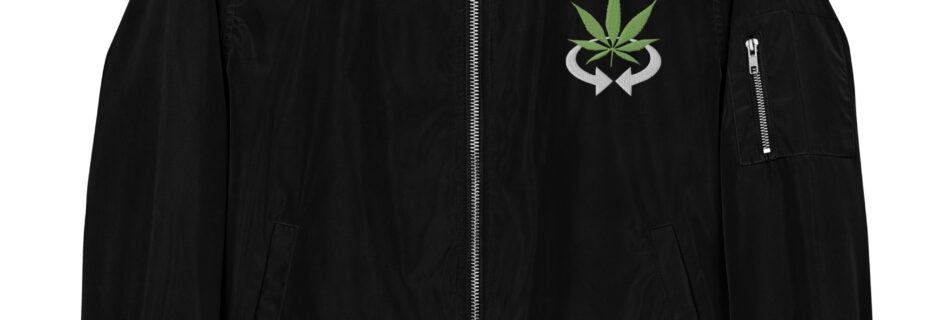
Bomber Jacket
-

WC Bomber Jacket
$99.00 Select options This product has multiple variants. The options may be chosen on the product page
NORML News
Weekly Stories, Studies, Surveys, Poll Results, Laws, etc.
Study: Cannabis Use Inversely Associated With Rhinitis
Houston, TX: Cannabis consumers are far less likely than non-users to develop chronic rhinitis and similar sinonasal diseases, according to case-control data published in the journal Laryngoscope Investigative Otolaryngology.
Researchers affiliated with Houston’s Methodist Hospital, Department of Otolaryngology, assessed rates of chronic rhinosinusitis (CRS), allergic rhinitis (AR), and chronic rhinitis (CR) in a nationally representative sample of 25,164 cannabis consumers and 113,418 matched controls.
Contrary to investigators’ expectations, subjects who consumed cannabis were less likely than non-users to suffer from symptoms of sinonasal diseases, with more frequent consumers possessing the lowest risk. This inverse relationship persisted regardless of whether subjects smoked cannabis or orally ingested marijuana products.
“Given the known detrimental impact of tobacco smoking use on sinonasal tissue and inflammation, it was expected that patients who more regularly used cannabis would also be more likely to have sinonasal inflammatory diseases, especially in those who smoked cannabis. However, the present study results do not support this hypothesis,” the study’s authors concluded. “Instead, … certain user cohorts were almost half as likely to develop CRS, AR, and CR as never users. … To our knowledge, this is the first study to demonstrate this finding.”
Sinonasal diseases are characterized by persistent inflammation of the nasal passages. They are estimated to adversely impact the health of approximately one-quarter of the global population.
Full text of the study, “The associative impact of recreational cannabis on sinonasal diseases,” appears in Laryngoscope Investigative Otolaryngology.
Michigan: Industry Association Files Legal Challenge To Halt Lawmakers’ Cannabis Tax Hike
Lansing, MI: Representatives of the state’s largest cannabis industry trade organization have filed a lawsuit to block the implementation of the state’s newly enacted marijuana tax.
Earlier this month, lawmakers passed a budget bill imposing a 24 percent wholesale tax on marijuana products sold in the state. The tax increase takes effect on January 1, 2026.
Last week, the Michigan Cannabis Industry Association filed litigation declaring the tax hike to be illegal because it improperly amends the state’s voter-initiated marijuana legalization law. They argue that any changes to marijuana-related taxes must be approved by a three-quarters supermajority in both chambers. (Another group has also filed a similar suit.)
Lawmakers narrowly passed the budget bill despite significant pushback from cannabis advocacy and industry groups.
“Raising taxes on adult-use cannabis products will escalate prices out of reach for many consumers,” stated NORML in an action alert that was shared with state lawmakers over 3,000 times. “This will drive a growing percentage of consumers to the unregulated market, thereby undermining the primary goal of legalization, which is to provide adults with safe, affordable, above-ground access to lab-tested products of known purity, potency, and quality. This proposed tax increase will also hurt state-licensed businesses and their employees because it will increase their costs and reduce their customer base.”
An estimated 40,000 Michiganders work in the state-regulated cannabis industry.
Last month, a legislative effort led by California NORML successfully rolled back marijuana-related taxes in that state. By contrast, lawmakers in Maryland and Minnesota both enacted cannabis-related tax hikes this year.
JAMA Commentary: Indefensible for Clinicians To Remain “Willfully Ignorant” About Medical Cannabis
Boston, MA: Clinicians must have a better understanding of cannabis and its effects so that they may competently and adequately serve their patients, according to a commentary published in the journal JAMA (Journal of the American Medical Association) Network Open.
“Clinicians are increasingly confronted by patients using cannabis, often unsupervised and poorly informed,” the commentary states. “It is no longer defensible for clinicians to remain willfully ignorant. … Medical cannabis is here. Will physicians catch up, or will we, through omission, continue to let patients navigate therapeutic uncertainty alone?”
The commentary demands that medical professionals receive formal training encompassing six core competencies: “endocannabinoid system physiology; pharmacokinetics of tetrahydrocannabinol, cannabidiol, and other cannabinoids; relevant indications (e.g., chronic pain, chemotherapy-induced nausea); risk profiles, dosing and administration methods; legal and regulatory frameworks; and strategies for patient-centered communication and shared decision-making.” An accompanying paper highlighting these topics also appears in the journal.
“Opponents may decry the Schedule I classification as a barrier to training or research. But clinicians routinely practice in ethically fraught and politically charged realms (e.g., abortion, addiction, reproductive health), navigating care even when laws lag. Cannabis demands the same professional responsibility,” the commentary concludes. “We need not wait for the US Drug Enforcement Administration reclassification to act. Education can and must advance based on patient needs, accumulated clinical evidence, and ethical obligations.”
Numerous surveys of medical professionals – including nurses, pharmacists, clinicians, and other health care practitioners – find that health practitioners believe that they are inadequately trained in matters specific to medical cannabis. Separate survey data also report that fewer than 1 in 5 patients think that their primary care providers are sufficiently knowledgeable about cannabis-specific health-related issues. Instead, patients typically acknowledge obtaining cannabis-related information from either “friends and family” or from non-governmental websites.
Full text of the commentary, “Cannabis education – A professional and moral obligation for physicians,” appears in JAMA Network Open.
Literature Review: Cannabis Formulations Reduce Dementia-Related Agitation and Aggression
Padova, Italy: Cannabinoids reduce dementia-induced agitation in older patients and “offer a promising therapeutic option for managing behavioral and psychological symptoms of dementia,” according to the findings of a systematic review published in the Journal of Psychopharmacology.
A team of Italian investigators reviewed data from ten published studies involving 278 participants. Study subjects were at least 60 years old and suffered from either Alzheimer’s, vascular, or mixed dementia.
“Most studies identified a positive effect of [cannabinoid] intervention in reducing behavioral disturbances,” researchers reported. “Agitation emerged as the symptom most consistently benefiting from cannabinoid use … Notably, the observed changes surpassed those reported in similar RCTs [randomly controlled trials] evaluating the effects of antipsychotics and antidepressants. In addition, improvements were reported in nocturnal disturbances, physical and verbal aggression, resistance to care, and vocalizations.”
The studies also reported that cannabinoids were “sufficiently safe and well-tolerated” in this older patient population.
“In conclusion, cannabinoids show promising potential in managing symptoms such as agitation and aggression in people with dementia, with an overall favorable safety and tolerability profile,” the study’s authors determined. “Among the various formulations studied, the available evidence indicates that CBD-rich, low-THC preparations deserve particular attention. These formulations are more widely available in many countries and are associated with a lower risk of side effects. … These findings, together with the need for safer and better-tolerated therapeutic strategies, support further investigation of CBD- rich formulations as a potential first-line option in future clinical research on BPSD [behavioral and psychological symptoms of dementia].”
Full text of the study, “Can cannabinoids alleviate behavioral symptoms in older adults with dementia? A systematic review,” appears in the Journal of Psychopharmacology.