



Logo T-Shirt
-

Weed Connection T-Shirt
$40.00 Select options This product has multiple variants. The options may be chosen on the product page

NORML News

Weekly Stories, Studies, Surveys, Poll Results, Laws, etc.
Review: CBD Dosing Reduces Systolic Blood Pressure
São Paulo, Brazil: CBD administration reduces blood pressure levels, according to a meta-analysis of randomized placebo-controlled trials published in the Brazilian Journal of Pharmacognosy.
Brazilian researchers reviewed data from four clinical trials involving 104 participants. Study results “demonstrated a significant reduction in systolic blood pressure after acute cannabidiol.” CBD dosing also resulted in reductions in diastolic blood pressure, although these changes were not statistically significant.
“These findings suggest that cannabidiol may benefit blood pressure control, specifically with prolonged use in hypertensive patients,” the study’s authors concluded. “But further high-quality randomized controlled trials are required to approve its efficacy, safety, and clinical applicability in cardiovascular care.”
Longitudinal data published earlier this month concluded that the cumulative lifetime cannabis use is not associated with an elevated risk of high blood pressure.
A prior analysis of over 91,000 French adults, published in the journal Nature: Scientific Reports, reported that both current and lifetime cannabis use is associated with lower blood pressure. Another study, published in the European Journal of Internal Medicine, noted that the use of medical cannabis products is associated with decreases in hypertension among elderly subjects.
Full text of the study, “Systematic review and meta-analysis to investigate the effects of cannabidiol on blood pressure: Examination of randomized double-blind and triple-blind placebo trials,” appears in the Brazilian Journal of Pharmacognosy.
Case Report: Vaporized Cannabis Reduces Severity of Opioid Withdrawal Symptoms
New York, NY: Cannabis use is associated with less severe symptoms in a patient undergoing naloxone-precipitated withdrawal, according to a case report published in the journal Experimental and Clinical Psychopharmacology.
Researchers affiliated with Columbia University in New York and Johns Hopkins University in Baltimore assessed the effects of vaporized cannabis pre-treatment on naloxone-precipitated opioid withdrawal in a 52-year-old patient. The patient had a history of heroin and fentanyl use. Investigators assessed the patient’s withdrawal symptoms following the use of naloxone, with and without using cannabis.
They reported that vaporized cannabis reduced the severity and onset of opioid withdrawal symptoms in a dose-dependent manner. Specifically, the patient required “three rescue doses of morphine” when naloxone was administered alone, but he needed only “a single rescue dose” when cannabis use preceded naloxone treatment.
“These results support the continued investigation into combined naloxone + cannabinoid formulations as overdose reversal agents for improved tolerability,” the study’s authors concluded.
Their conclusion is consistent with survey data reporting that opioid-dependent subjects frequently acknowledge consuming cannabis to mitigate drug cravings and reduce withdrawal symptoms.
Full text of the study, “The effects of vaporized cannabis on the severity of naloxone-precipitated opioid withdrawal,” appears in Experimental and Clinical Psychopharmacology.
Clinical Trial: CBD-Infused Gel Improves Sleep Quality, Reduces Migraine-Related Disability in Patients With Bruxism-Associated Pain
Katowice, Poland: Patients with bruxism (teeth grinding or clenching) and other temporomandibular disorders experience improved sleep and fewer migraines following the topical application of CBD, according to data from a placebo-controlled clinical trial published in the journal Pharmaceuticals.
Polish investigators assessed the topical application of CBD-infused gel versus placebo in 60 patients with bruxism-associated muscle pain. Twenty patients received a placebo, 20 patients received a gel containing five percent CBD, and 20 patients received a gel containing 10 percent CBD. Participants administered the gels daily for 30 days.
Both CBD treatment groups “demonstrated statistically significant improvements in PSQI [Pittsburgh Sleep Quality Index] and MIDAS [the Migraine Disability Assessment Scale] scores compared to the control group.” Both treatment groups experienced similar improvements, regardless of CBD concentration. No serious adverse events or treatment-related complications were reported during the study period.
“This study demonstrates that topical application of cannabidiol (CBD) gel, at both five percent and 10 percent concentrations, significantly improves sleep quality and reduces migraine-related disability in patients with bruxism-associated muscular pain. These effects were observed alongside reductions in muscle tension and pain, suggesting a broader therapeutic impact of CBD beyond localized symptom relief,” the study’s authors concluded. “The findings support the use of topical CBD as a well-tolerated, non-invasive adjunct in the multimodal management of temporomandibular disorders (TMD), especially in patients experiencing comorbid sleep and headache disturbances.”
The transdermal delivery of CBD has previously been associated with reduced levels of lower back and leg pain in patients with spinal stenosis, as well as with improved outcomes in patients with hand osteoarthritis.
Full text of the study, “Expanding the therapeutic profile of topical cannabidiol in temporomandibular disorders: Effects of sleep quality and migraine disability in patients with bruxism-associated muscle pain,” appears in Pharmaceuticals.
Analysis: Alcohol Use, but Not Cannabis, Associated With Elevated Risk of Unwanted Pregnancies
San Francisco, CA: Alcohol use, but not cannabis use, is linked to significantly higher rates of unwanted pregnancies, according to data published in the journal Addiction.
Researchers affiliated with the University of California, San Francisco tracked outcomes in a cohort of 936 women who expressed a strong desire not to become pregnant.
Those who acknowledged drinking heavily were 50 percent more likely to become pregnant over the course of the study (13.5 months) as compared to those who drank little or no alcohol. By contrast, those participants who used cannabis did not possess an elevated pregnancy risk compared to non-consumers.
“Heavy drinking, but not cannabis use or other drug use, appears to be associated with elevated pregnancy risk among those who most desire to avoid pregnancy,” the study’s authors concluded. “This study is continuing to follow participants through pregnancy, which will enable further examination of whether people with less desired pregnancies are more likely than those with more desired pregnancies to continue alcohol and/or drug use during pregnancy.”
Full text of the study, “Alcohol and drug use and attainment of pregnancy preferences in the southwestern United States: A longitudinal cohort study,” appears in Addiction.

Investment Opportunity

NORML News
Weekly Stories, Studies, Surveys, Poll Results, Laws, etc.
Analysis: No Rise in Teen Cannabis Use Following Legalization
New York, NY: The adoption of state-specific cannabis legalization laws is not associated with rising rates of marijuana use by adolescents, nor is it associated with increases in problematic cannabis use among adults, according to data published in the International Journal of Mental Health and Addiction.
Researchers affiliated with Columbia University Mailman School of Public Health assessed changes in cannabis consumption patterns following the enactment of adult-use legalization laws.
Consistent with other studies, they found no increase in marijuana use among young people (those ages 12 to 20) following legalization. Investigators also failed to identify any increases in either daily use or problematic use “among men and women who used cannabis in any age group.”
Rates of past-year cannabis use did increase among those ages 21 and older, with greater increases reported among women.
The study’s authors concluded: “No increases in past-month daily cannabis use and past-year DSM-5 CUD [cannabis use disorder] among those using cannabis were observed after RCL [recreational cannabis laws] enactment. There were no increases in any cannabis outcomes after RCL enactment among those 12–20 years old. RCL enactment may contribute to narrowing of the cannabis gender gap. Ongoing surveillance is essential to ensure that the social justice aims of legalization are achieved without negative public health consequences.”
Full text of the study, “Gender differences in cannabis outcomes after recreational legalization: A United States repeated cross-sectional study, 2008-2017,” appears in the International Journal of Mental Health and Addiction.
Study: Lifetime Cannabis Use Not Associated with Increased Risk of Hypertension
San Diego, CA: Cumulative lifetime cannabis use is not associated with an elevated risk of high blood pressure, according to longitudinal data published in the journal Hypertension.
Investigators affiliated with the University of California at San Diego assessed the relationship between cannabis use and hypertension in a cohort (the CARDIA study) of over 2,800 participants. Subjects were assessed at baseline and repeatedly over the following 35 years.
Consistent with other studies, researchers identified “no association … between cumulative lifetime use of cannabis … and incidents [of] hypertension.”
Other assessments of CARDIA study participants have failed to identify links between long-term cannabis use and increased risks of heart abnormalities, hardening of the arteries, or other cardiovascular diseases.
A prior analysis of over 91,000 French adults, published in the journal Nature: Scientific Reports, reported that both current and lifetime cannabis use is associated with lower blood pressure. Another study , published in the European Journal of Internal Medicine, reported that the use of medical cannabis products is associated with decreases in hypertension among elderly subjects.
Full text of the study, “Lifetime cannabis use and incident hypertension: The Coronary Artery Risk Development in Young Adults (CARDIA) study,” appears in Hypertension.
Study: Pain Patients Reduce Their Opioid Use Following Adjunctive Use of Medical Cannabis
Perth, Australia: Chronic pain patients receiving prescribed cannabis extracts significantly reduce their opioid consumption, according to longitudinal data published in the journal Pain Management.
Australian investigators assessed opioid consumption patterns over 12 months in two similar cohorts of chronic pain patients. One group of patients was prescribed cannabis extracts containing standardized quantities of THC and CBD as an adjunctive treatment. (Australian physicians may prescribe cannabis products to patients unresponsive to conventional prescription treatments.) The other group did not receive cannabis therapy.
Patients who received cannabis decreased their average opioid intake to 2.7mg/day after one year of treatment. By contrast, patients who did not receive cannabis consumed an average of 42.3 mg/day of opioids at follow-up.
Patients who consumed cannabinoids were also more likely than controls to experience decreases in depression, anxiety, insomnia, and disability. However, those in the cannabis treatment group were more likely to drop out of the study prior to its completion, indicating that some patients were unable to tolerate the long-term use of cannabis extracts.
The study’s authors concluded: “These findings indicate that the introduction of cannabinoids can produce useful reductions in opioid consumption in real-world settings. … However, this treatment is tolerated by only a subgroup of patients.”
Similarly designed studies in the United States have also reported that cannabis products are associated with substantial reductions in patients’ daily consumption of opioids. Ecological studies from the U.S. and Canada also report significant overall declines in the volume of opioid prescriptions following cannabis legalization.
Full text of the study, “Opioid reduction in patients with chronic non-cancer pain undergoing treatment with medicinal cannabis,” appears in Pain Management.
Analysis: Marijuana Retailers Not Associated With Increased Prevalence of Motor Vehicle Accidents
New Haven, CT: The opening of marijuana retailers is not associated with any immediate increases in motor vehicle accidents, according to data published in the journal Cannabis and Cannabinoid Research.
Yale University researchers assessed motor vehicle crash data for the weeks prior to and after the adoption of adult-use marijuana legalization in Connecticut. They also compared motor vehicle crash data during the same period with that of a control state (Maryland).
Researchers reported “no significant changes” in the prevalence of either statewide accidents (compared to Maryland) or local (within proximity to dispensaries) accidents.
“Here we show that the introduction of recreational cannabis dispensaries in Connecticut did not lead to a significant rise in MVA [motor vehicle accident] rates statewide or at the local level near cannabis dispensaries,” the study’s authors concluded. “The lack of substantial differences in crash rates within the eight weeks before and after recreational dispensary openings suggests that dispensaries may not be a relevant determinant of traffic safety in the proximity of these outlets.”
The study’s findings are consistent with those of a three-year analysis of motor vehicle crash data from Washington state, which reported “no statistically significant impact of cannabis sales on serious injury/fatal crashes” following retail commercialization. By contrast, assessments from other states evaluating longer-term trends in traffic safety following legalization have yielded mixed results.
Full text of the study, “Changes in local community spatial trends of motor vehicle accidents near cannabis dispensaries after recreational cannabis legalization,” appears in Cannabis and Cannabinoid Research.

Advertise @WeedConnection

Creator @RussellRope
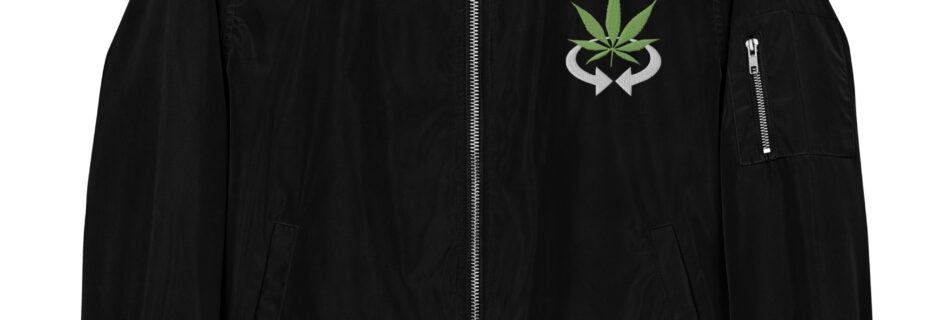
Bomber Jacket
-

WC Bomber Jacket
$99.00 Select options This product has multiple variants. The options may be chosen on the product page
NORML News
Weekly Stories, Studies, Surveys, Poll Results, Laws, etc.
Trump Says Cannabis Rescheduling Decision Is Forthcoming
Washington, DC: President Donald Trump affirmed at a news conference Monday that his administration is “looking” at federally reclassifying cannabis and that it would “make a determination over the next few weeks.”
He said that the subject is “complicated.” While he acknowledged hearing “great things” about cannabis’ medical utility, he also said that he’s heard “bad things having to do with just about everything else [about marijuana].”
The President’s remarks were in response to a question from a news reporter. They are his first public statements about cannabis policy since winning the election.
The Biden Administration initiated the regulatory process to review cannabis’ federal classification in late 2022 — marking the fifth time that an administrative petition to remove cannabis from Schedule I had been filed, but the first time that the White House had ever led such an effort.
The following year, the US Department of Health and Human Services recommended that the Drug Enforcement Administration reclassify cannabis from Schedule I to Schedule III of the Controlled Substances Act. The DEA called for hearings on the matter, which were scheduled to begin earlier this year. Those hearings were stayed following allegations that the DEA had engaged in inappropriate and biased acts that warranted their disqualification from the proceedings.
There has been no further movement on the matter since January.
In a Truth Social post in September, Trump wrote, “As President, we will continue to focus on research to unlock the medical uses of marijuana to a Schedule 3 drug, and work with Congress to pass common sense laws, including SAFE banking for state authorized companies, and supporting states’ rights to pass marijuana laws.”
Analysis: Cannabis Dispensary Openings Associated With Fewer Opioid Deaths
Atlanta, GA: Counties with licensed cannabis dispensaries experience a reduction in opioid-related fatalities as compared to those without regulated marijuana access, according to an analysis of federal data published in The Washington Post.
The analysis measured county-level dispensary openings and trends in opioid-related deaths. The author reported: “When a county opens its first dispensary — giving residents easy access to marijuana – opioid death rates go down relative to counties that don’t yet have any dispensaries. The effects aren’t small, either. Ten years after that first dispensary opens, death rates in cannabis counties are, on average, about 30 percent lower than death rates in counties without a dispensary.”
He added, “The fact that the drop in deaths shows up right after the first dispensary opens – and not before – strongly suggests that opioid users do shift to marijuana, at least enough to stop overdosing.”
The findings are consistent with those of other studies reporting that increases in the volume of medical and recreational storefront dispensaries are associated with reduced opioid-related mortality rates.
Studies also report that opioid-dependent subjects acknowledge using cannabis to reduce drug cravings and mitigate withdrawal symptoms.
The analysis, “Data shows a new remedy for the opioid crisis,” is available from The Washington Post.
Canada: Nearly Eight in Ten Consumers Say They Obtain Cannabis Exclusively From Legal Markets
Waterloo, Canada: Most Canadian cannabis consumers have transitioned to the legal marketplace following nationwide legalization, according to survey data published in the journal Drug and Alcohol Review.
An international team of investigators from Canada, the United States, and the United Kingdom assessed trends in marijuana-related purchases among 2,686 current cannabis consumers.
Seventy-eight percent of respondents said that “all their cannabis came from legal sources in the past year.”
The data is consistent with prior studies finding that most Canadian consumers have transitioned from the unregulated market to the legal adult-use marketplace following legalization.
Researchers attribute consumers’ transition to falling prices. “Prices of legal cannabis products have decreased substantially over the first 5 years after federal legalization in Canada, with a narrowing differential between the cost of legal and illegal products,” they reported.
The study’s authors concluded: “These findings demonstrate a consistent and substantial transition to legal retail sources in Canada over the first 5 years of legalization, … reflecting considerable progress towards Canada’s objective of displacing illegal sources through the creation of a legal cannabis market.”
Data compiled in the United States similarly reports that a growing percentage of consumers are switching to the legal marketplace. According to a 2023 survey, 52 percent of consumers residing in legal states said that they primarily sourced their cannabis products from brick-and-mortar establishments.
A separate US economic study reports that consumers are most likely to transition to the legal marketplace in jurisdictions where state-licensed retailers are widely available. According to the study’s findings, “States with roughly 20 to 40 legal regulated stores per 100,000 residents, in general, have captured 80 percent to 90 percent of all cannabis sales in the legal market.”
Full text of the study, “Self-reported cannabis prices and expenditures from legal and illegal sources five years after legalization of non-medical cannabis in Canada,” appears in Drug and Alcohol Review.
Preclinical Study: CBD Dosing Mitigates Cravings for Alcohol
San Diego, CA: CBD administration reduces alcohol intake and alcohol-associated withdrawal symptoms in rodents, according to preclinical data published in the journal Nature: Neuropsychopharmacology.
Investigators affiliated with the University of California at San Diego assessed the effects of CBD dosing on alcohol-dependent rats. They reported that CBD mitigated alcohol intake, prevented alcohol-induced damage to the brain, and attenuated relapse-like behaviors.
“The present study demonstrates that chronic administration of cannabidiol attenuates both behavioral and neurobiological manifestations of alcohol dependence in rodent models,” authors concluded. “Specifically, CBD reduced alcohol intake and withdrawal symptoms, lowered relapse-like behaviors, normalized neuronal excitability in the basolateral amygdala (BLA), and prevented alcohol-induced neurodegeneration in striatal regions associated with reward and habit formation. … These results underscore CBD’s potential therapeutic utility for alcohol use disorder (AUD) and provide mechanistic insights into its actions.”
Placebo-controlled clinical data published earlier this year concluded that the oral administration of 800 mg of synthetic CBD significantly reduces subjects’ cravings for alcohol. A 2021 observational study determined that the consumption of CBD-dominant cannabis is associated with reductions in subjects’ alcohol intake. The authors of that study reported that participants who ingested CBD-dominant cannabis during the trial period “drank fewer drinks per drinking day, had fewer alcohol use days, and fewer alcohol and cannabis co-use days” compared with those who did not.
According to 2024 survey data, 60 percent of cannabis consumers say that using cannabis leads to less alcohol consumption.
Full text of the study, “Cannabidiol mitigates alcohol dependence and withdrawal with neuroprotective effects in the basolateral amygdala and striatum,” appears in Nature:Neuropsychopharmacology.